Understanding Felt Roofs: Basics and Benefits
Felt roofing is a widely used roofing solution that combines durability and affordability, making it an excellent choice for various applications. It is particularly popular for flat and low-pitched roofs, providing reliable protection against the elements. In this guide, we will explore the key aspects of felt roofs, their advantages, and considerations to keep in mind when selecting the right roofing system for your needs. When exploring options, felt roof solutions provide comprehensive insights into quality materials and services available near you.
What is a felt roof?
A felt roof, also known as a built-up roof, is a roofing system made typically of multiple layers of felt material, usually coated with asphalt. This material is designed to be waterproof and provides an effective barrier against rain and other environmental elements. Felt roofs are generally installed on flat or low-slope structures and are favored for their cost-effectiveness and ease of installation.
Key advantages of felt roofing systems
- Cost-Effective: Felt roofing is often cheaper than other roofing materials, making it accessible for both homeowners and contractors.
- Easy Installation: The installation process is relatively straightforward and can often be completed quickly.
- Durability: When properly installed and maintained, felt roofs can last many years, providing long-term performance.
- Moisture Resistance: The built-in waterproofing capabilities protect against leaks and water damage.
Common applications for felt roofs
Felt roofs are versatile and can be used in various applications, including:
- Garages
- Home extensions
- Lofts
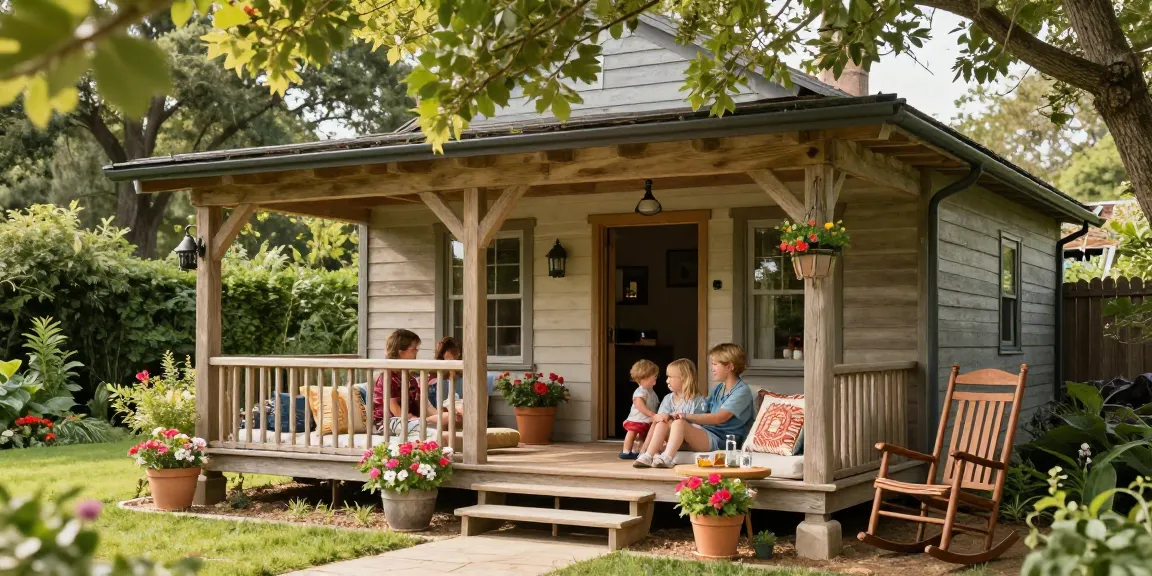
- Garden sheds
Choosing the Right Felt Roofing System
Types of felt roofing materials available
There are primarily two types of felt roofing materials: torch-on felt and self-adhesive felt. Torch-on felt is heated during installation, allowing it to bond seamlessly, while self-adhesive felt features a sticky backing that simplifies application.
Factors to consider when selecting a felt roof
When selecting a felt roofing system, consider the following factors:
- Longevity: Choose materials that offer a longer lifespan and resistance to wear and tear.
- Insulation: Evaluate whether you want a cold or warm roof system, as this can impact energy efficiency.
- Environmental Factors: Consider local weather conditions and choose materials that withstand your area’s specific climate.
Comparative analysis of felt vs. other roofing options
Felt roofing is often compared to other materials such as tile, metal, and rubber roofing. While felt roofing provides cost benefits and good waterproofing, other materials may offer greater durability and aesthetic appeal. Therefore, it is essential to weigh the pros and cons of each roofing type based on your individual requirements.
Installation Process for Felt Roofs
Step-by-step guide to felt roof installation
The installation of a felt roof typically involves the following steps:
- Preparation: Ensure the roof deck is clean and dry.
- Underlayment: Lay down a waterproof membrane to protect against moisture.
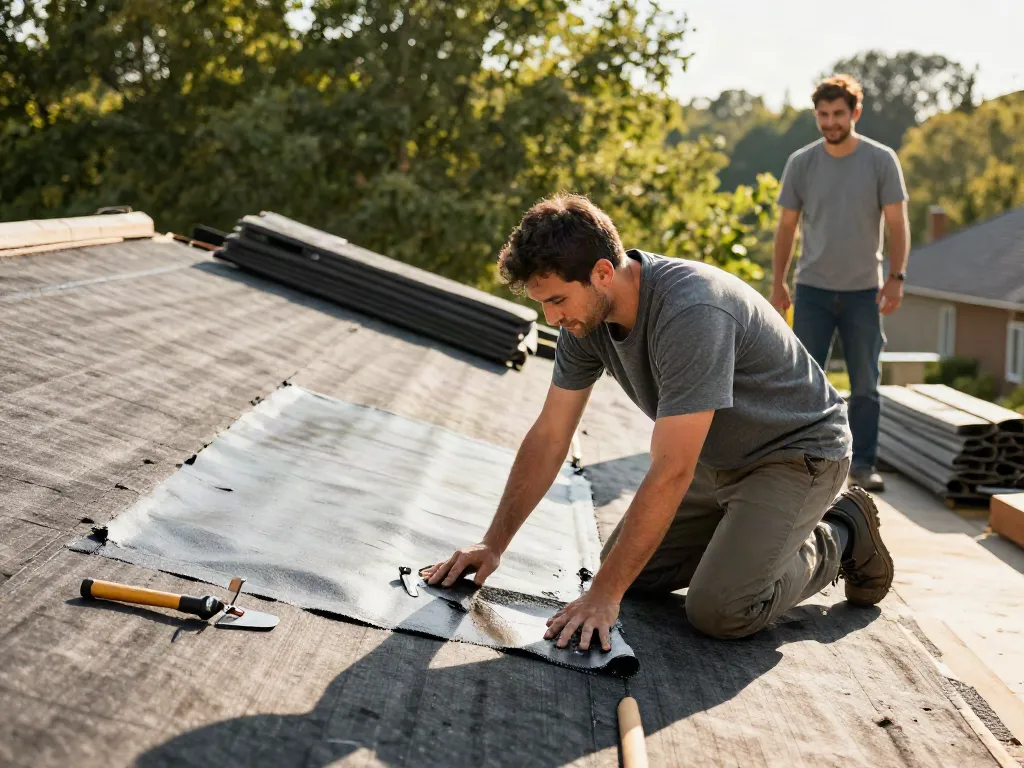
- Felt Application: Install the felt in overlapping layers, securing each layer properly.
- Finishing Touches: Seal edges and joints to ensure a watertight finish.
Tools and materials required for installation
Essential tools for installing a felt roof include:
- Utility knife
- Tin snips
- Roller and brush
- Heat gun (for torch-on felt)
Best practices for ensuring durability and performance
To ensure the longevity and effectiveness of your felt roof:
- Regularly check for wear and tear, particularly after severe weather.
- Maintain gutter systems to prevent water backup.
- Consider applying a protective coating for additional UV resistance.
Maintaining Your Felt Roof for Longevity
Regular maintenance tasks for felt roofs
Routine maintenance is vital for extending the lifespan of felt roofs. Key maintenance tasks include:
- Inspecting for cracks and blisters.
- Cleaning debris from the surface and gutters.
- Re-sealing seams where necessary.
Signs indicating the need for repairs or replacement
Homeowners should be on the lookout for signs of damage, such as:
- Visible leaks or water stains.
- Pooling water that does not drain.
- Crumbling or flaking edges.
How to choose a qualified roofer for maintenance
Selecting a reliable roofer is crucial for maintenance work. Look for professionals who can provide:
- References from previous customers.
- Proof of insurance and licensing.
- Detailed written quotes for proposed work.
The Future of Felt Roofing: Trends and Innovations
Emerging technologies in felt roofing materials
The roofing industry is evolving, with new technologies enhancing the performance of felt roofs. Innovations include:
- Sustainable materials that reduce environmental impact.
- Advanced sealing solutions that improve waterproof performance.
Sustainability considerations in modern roofing
As energy efficiency becomes increasingly important, felt roofing systems are being developed with sustainability in mind. Homeowners should consider options that integrate insulation and reflective coatings to promote environmental consciousness.
The growing popularity of felt roofing in 2026
In 2026, felt roofing continues to gain market share, particularly in residential applications. Its combination of affordability, ease of installation, and reliability ensures that it remains a viable option for homeowners looking to protect their properties.
What are the disadvantages of felt roofing?
While felt roofing has many advantages, it is essential to recognize its limitations:
- It can be susceptible to damage from UV exposure if not properly maintained.
- Over time, felt may degrade, leading to potential leaks if not attended to promptly.
Is roofing felt 100% waterproof?
Roofing felt provides a significant level of water resistance; however, it is not entirely waterproof. Proper installation and maintenance are crucial to maximizing its effectiveness in preventing leaks.
What do roofers use instead of felt?
Roofing professionals may opt for alternatives such as EPDM rubber or PVC membranes instead of felt, depending on specific project requirements, building codes, and customer preferences.