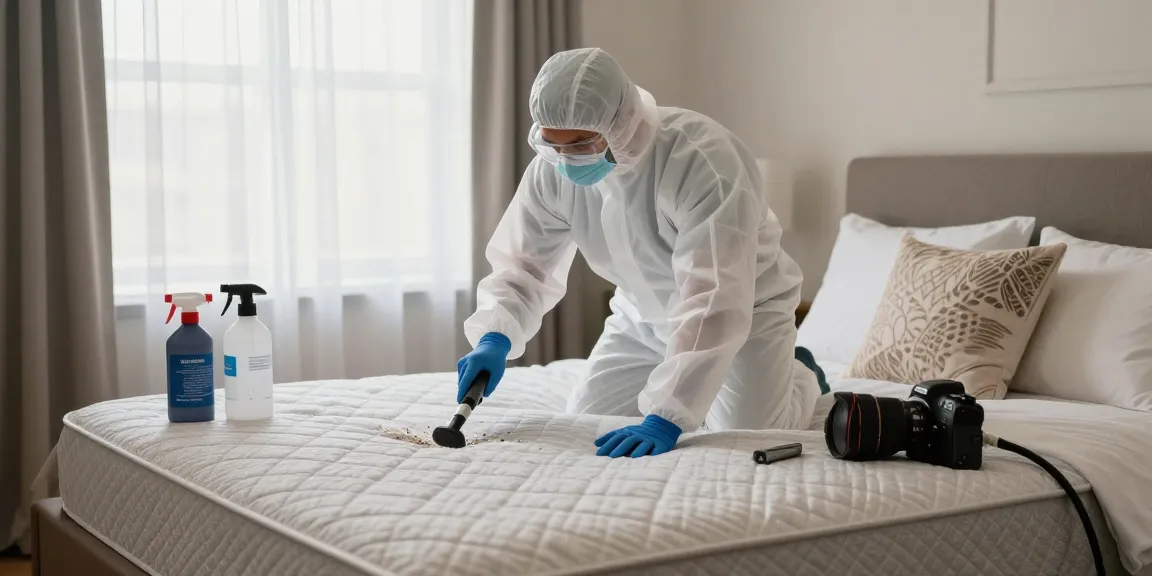
Understanding Bed Bug Infestations
Bed bugs are small, parasitic insects that feed on human blood, often creeping into our homes without notice. Once they settle into a living space, they can reproduce quickly, leading to alarming infestations that can disrupt our lives. Understanding the behaviors, life cycle, and signs of bed bug presence is crucial for effective treatment and prevention. When exploring options, an bed bug exterminator can provide comprehensive insights and help reclaim your home from these unwelcome pests.
Common Signs of Bed Bug Presence
Detecting bed bugs early can save you from a more extensive infestation. Look for the following signs:
- Red, itchy welts: These are often found in a line or cluster on the skin.
- Bloodstains: Small red or dark spots may appear on your sheets or mattress.
- Exoskeletons: As bed bugs molt, they leave behind shells that can be found in their hiding spots.
- Dark spots: Fecal matter appears as tiny black dots.
How Bed Bugs Spread in Homes
Bed bugs are expert hitchhikers, easily moving from one location to another through infested items. Common ways they spread include:
- Transported luggage from hotels or travel
- Used furniture or bedding
- Public transportation or shared living spaces
Being aware of these transmission methods can help in taking proactive measures.
The Life Cycle of Bed Bugs
Understanding the reproductive habits and life cycle of bed bugs is essential for effective extermination. From egg to adult, the process takes about 5-6 weeks under optimal conditions:
- Eggs: A female can lay 200-500 eggs in her lifetime.
- Nymphs: Young bed bugs that emerge after about a week.
- Adults: Typically live 4-6 months but can survive longer without feeding.
Choosing the Right Bed Bug Exterminator
Finding a reliable pest control expert can be daunting, but it’s essential for effective treatment. Consider the following factors when selecting a bed bug exterminator:
What to Look for in a Pest Control Expert
- Experience: Look for a company with a proven track record in dealing with bed bugs specifically.
- Certification: Ensure they are licensed and insured to operate in your area.
- Methods: Inquire about the techniques and products they use for treatment.
- Customer testimonials: Positive reviews can give you insight into their effectiveness.
Questions to Ask Your Bed Bug Exterminator
Before hiring, ask potential exterminators the following questions:
- What is your approach to bed bug extermination?
- How long will the process take?
- What kind of warranties or follow-ups do you offer?
Understanding the Costs of Bed Bug Extermination
The cost of extermination varies based on the severity of the infestation and the methods used. On average, treatments can range from $300 to $1500, reflecting the complexity of the service. Some factors that influence cost include:
- Size of the infested area
- Type of treatment (heat vs. chemical)
- Frequency of follow-up visits
Effective Bed Bug Treatment Options
Once you recognize the signs and decide to take action, understanding the available treatment options is vital for effective eradication. Here are a few commonly used methods:
Overview of Chemical Spray Treatments
Chemical treatments remain one of the most popular methods for treating bed bugs. These sprays contain insecticides that kill bed bugs upon contact and provide residual protection for an extended period. When applied correctly, these treatments can remain effective for up to 120 days, making them highly reliable.
Benefits of Bed Bug Heat Treatment
Heat treatment is an eco-friendly approach that eliminates bed bugs at all life stages, including eggs. By heating an infested space to temperatures above 120°F (49°C), bed bugs cannot survive. This method has several advantages:
- Fast results: Can eradicate bed bugs in just one visit.
- No chemicals: A safer option for homes with children or pets.
- Fewer preparations: Limited prep options can reduce the stress of getting ready for treatment.
Combining Treatments for Optimal Results
In many cases, a combination of chemical and heat treatment provides the best outcomes. This dual approach targets different life stages and creates a comprehensive barrier against re-infestation. Consulting your exterminator can help tailor a strategy that fits your specific situation.
Preventing Future Bed Bug Infestations
After extermination, it’s crucial to implement preventive measures to avoid future infestations. Here are recommended best practices for homeowners:
Best Practices for Homeowners
- Regularly inspect furniture and bedding for signs of bed bugs.
- Use protective covers on mattresses and box springs.
- Reduce clutter where bed bugs can hide.
Regular Inspection and Monitoring Tips
Regular monitoring can be crucial in catching any potential issues early. Consider the following tips:
- Schedule visual inspections every few months.
- Keep an eye on any bites or unexplained skin irritations.
- Utilize K9 inspection services for thorough assessments.
How to Protect Your Home When Traveling
Travelers are particularly susceptible to bringing bed bugs home. Here are some tips to protect your home:
- Inspect hotel rooms for signs before unpacking.
- Keep luggage off the floor and bed.
- Wash clothing in hot water upon returning home.
Customer Experiences and Success Stories
Real-world experiences can provide invaluable insights into the efficacy of bed bug extermination services. Below are highlights from our customer interactions:
Case Study: Successful Extermination in Milwaukee
In a recent case, our team treated an infestation in a multi-family dwelling. The treatment included both heat and chemical methods, resulting in complete eradication within just a few days. Additionally, we provided the landlord with preventive strategies to protect other units.
Customer Testimonials: Why We Are Rated 5 Stars
Our customers consistently commend our responsiveness, professionalism, and effective treatments. The success stories we gather reinforce our commitment to quality service and our clients’ well-being.
Lessons Learned from Real-World Bed Bug Treatments
Each extermination case teaches us something new. Flexibility in treatment approaches, adapting to specific challenges, and maintaining open communication with clients contribute to our ongoing success.