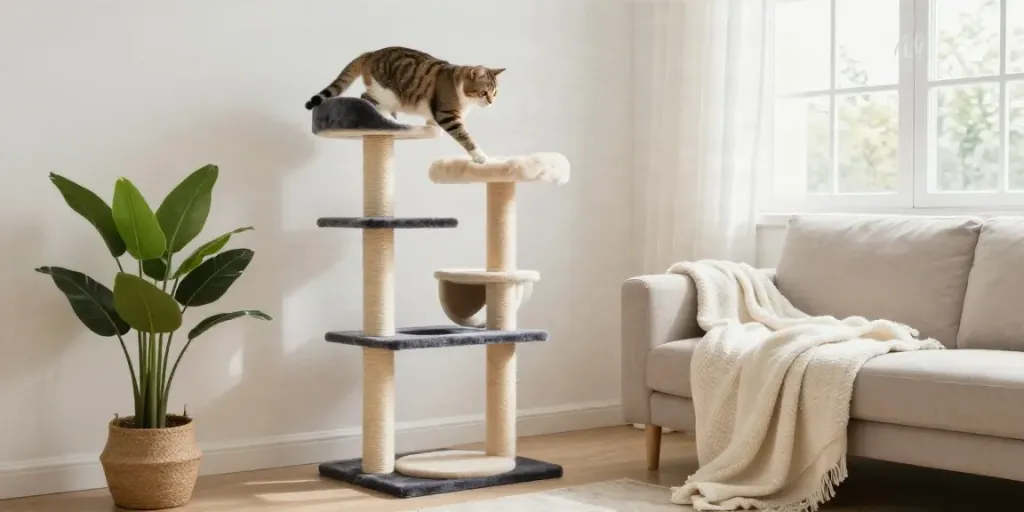
The Importance of a Cat Tree for Your Feline Friends
For cat owners, providing a stimulating environment for their beloved pets is essential to their well-being. One of the best ways to achieve this is by investing in a cat tree, which serves as both a playground and a sanctuary for your feline friend. These structures not only cater to their innate instincts for climbing and exploring but also provide a designated space to relax and observe their surroundings safely. Understanding the critical role of cat trees in a cat’s life can help you make informed decisions about the best options for your furry companions.
Why Every Cat Needs a Cat Tree
Cats are naturally curious and active creatures, often seeking out spaces to climb, scratch, and perch. A well-designed cat tree fulfills these instincts, offering various levels and textures that appeal to cats of all ages and sizes. Furthermore, it helps to mitigate behavioral issues that may arise from boredom, as a lack of stimulation can lead to destructive behaviors, such as scratching furniture or excessive meowing.
Benefits of Vertical Space for Cats
Vertical space is crucial for cats, as it allows them to exercise their climbing abilities and gain a sense of security. Cats feel safer when they can observe their surroundings from a height, making a cat tree an excellent solution for indoor cats who may not have access to trees or safe outdoor spaces. Additionally, vertical structures can help prevent territorial disputes in multi-cat households by providing each cat with their own space to retreat to when feeling threatened.
Understanding Cat Behavior and Play Needs
Each cat has unique play behaviors and preferences, which can vary based on their breed, age, and personality. Kittens are often more energetic and may require a cat tree that includes multiple levels and spaces to jump and climb. Conversely, older cats may benefit from trees designed for lounging, featuring soft perches and easy access. Understanding these behaviors is key to selecting the right cat tree that will keep your feline engaged and happy.
Types of Cat Trees Available in 2026
Traditional vs. Modern Cat Trees
In recent years, the design of cat trees has evolved significantly, offering a range of styles from traditional to modern options. Traditional cat trees often feature sturdy bases, sisal-wrapped scratching posts, and multiple platforms for climbing. Modern designs may incorporate sleek lines, minimalist aesthetics, and higher-quality materials, appealing to pet owners who want their furniture to blend seamlessly into their home decor. When choosing between the two, consider your home’s style and your cat’s needs.
Special Features to Consider
When shopping for a cat tree, it's essential to consider special features that can enhance your cat's experience. Some trees come with integrated hideaways or condos, providing cozy spaces for cats to curl up in. Others may include interactive elements, such as dangling toys or scratch pads, to keep your cat engaged. Choosing a tree with various textures and surfaces is critical, as this can encourage your cat to scratch and play, promoting healthy habits.
Cat Trees for Larger Breeds
If you own a larger breed cat, such as a Maine Coon or Ragdoll, it’s crucial to find a cat tree that can accommodate their size and weight. These trees tend to feature wider platforms, reinforced bases, and sturdy materials to ensure durability. Additionally, look for trees with lower heights or broader steps to facilitate easier access for larger cats. Proper support and stability are paramount to ensure your cat's safety during playtime.
Features to Look for in a Quality Cat Tree
Sturdiness and Safety Features
The safety and stability of a cat tree are non-negotiable. A quality tree should have a robust base to prevent tipping, especially when multiple cats are using it simultaneously. Look for features like anti-tipping systems or wall anchoring options for added security. Materials used in construction should be non-toxic and durable to withstand regular wear and tear from scratching and climbing.
Materials and Aesthetic Considerations
Cat trees are available in various materials, each offering different benefits. Wooden cat trees provide a classic look and stability, whereas fabric-covered options may be softer and more visually appealing. When selecting a cat tree, consider how the materials will fit into your home’s aesthetic. Many manufacturers now offer customizable colors and designs, allowing you to find a tree that matches your interior décor without compromising on functionality.
Size and Space Requirements
Before purchasing a cat tree, assess the space available in your home. Some cat trees are compact and designed for small apartments, while others are larger, multi-level structures that require ample room. Consider your cat's size as well; trees that are too small may not be comfortable or safe for larger breeds. Choosing a cat tree that fits both your home and your cat will ensure a relaxing and enjoyable experience for both parties.
How Much Does a Cat Tree Cost? A Price Breakdown
Budget Options vs. Premium Features
When it comes to purchasing a cat tree, the cost can vary widely based on the materials, features, and brand. Budget options may range from $50 to $100 and typically offer basic functionalities suitable for casual use. However, premium models can cost anywhere from $200 to $500, incorporating high-quality materials, unique designs, and additional features that cater to specific needs.
Where to Buy: Retailers and Online Options
Cat trees can be found at pet specialty stores, big-box retailers, and online platforms. Websites like Amazon and dedicated pet supply sites often have extensive selections, allowing for easy comparison of features and prices. Before purchasing, check for customer reviews to ensure you are choosing a reputable brand with a track record of quality. Local retailers may also provide opportunities to see the product in person, aiding in the decision-making process.
Factors Influencing Cost in 2026
Several factors can influence the cost of cat trees, including manufacturing materials, brand reputation, and feature set. As the trend for sustainable and eco-friendly products grows, you may find that certain trees designed with green materials can command higher prices. Additionally, the inclusion of technology, such as smart features that alert you when your cat is using the tree, is becoming more popular and can also affect the price point.
Maintenance and Care Tips for Your Cat Tree
Cleaning and Upkeep Strategies
To prolong the lifespan of your cat tree, regular maintenance is essential. Vacuum the surfaces to remove fur and debris, and consider spot cleaning any stains with a pet-safe cleaner. Some cat trees come with removable covers that can be washed, making cleaning more manageable. Regularly inspect the structure for loose parts or wear and replace any damaged components to ensure your cat's safety.
When to Replace Your Cat Tree
Even the sturdiest cat trees will eventually need replacement. Signs that it may be time for a new tree include visible wear, such as frayed fabric, loose parts, or instability in the structure. If your cat shows reluctance to use the tree or has outgrown it, it may be time to invest in a more suitable option. Keeping your cat's environment fresh and engaging is key to their happiness and health.
Enhancing Your Cat's Experience with Toys and Accessories
Beyond the cat tree itself, there are many accessories you can add to enrich your cat's environment. Catnip toys, dangling feather toys, and even climbing shelves can complement the functionality of a cat tree. Rotating toys regularly can also keep things interesting for your pet and stimulate their natural hunting instinct.
What are the Benefits of Using a Cat Tree?
Investing in a cat tree offers numerous benefits, including providing a dedicated space for your cat to play, scratch, and relax. It encourages healthy exercise, reducing the likelihood of obesity and behavioral issues. Furthermore, a cat tree can help protect your furniture and belongings from claw damage, as it provides an alternative scratching outlet.
Are there Health Benefits for Cats with Cat Trees?
Yes, cat trees can contribute to a cat's overall health. Regular climbing and playing help maintain muscle tone and joint flexibility, while elevated perches allow them to escape potential stressors on the ground. For older cats, a well-designed cat tree can provide safe spaces to lounge while still encouraging movement.
What Should I Look for When Buying a Cat Tree?
When purchasing a cat tree, consider your cat’s size, activity level, and preferences. Look for features that cater to their unique needs, such as scratch pads, multiple levels, or cozy hideaways. Ensure the materials are safe and durable, and consider the design to match your home’s decor.
How Do I Maintain My Cat Tree?
Regular cleaning and inspection of your cat tree are essential for maintenance. Vacuum frequently, clean stains promptly, and check for any signs of damage. Keeping the structure stable and free from debris will ensure a safe and welcoming environment for your cat.
Where Can I Find the Best Deals on Cat Trees?
Many retailers offer sales on cat trees, especially during seasonal promotions. Websites like Amazon, Chewy, and local pet stores frequently have discounts and special offers. Additionally, subscribing to newsletters or following social media channels can provide updates on deals and new arrivals.