Understanding Edge Computing: A Comprehensive Overview
In the ever-evolving landscape of technology, edge computing stands out as a pivotal innovation that fundamentally alters how data is processed and utilized. As organizations face the increasing demand for real-time data processing, this distributed computing model emerges as a crucial solution. By bringing computation and data storage closer to the sources of data rather than relying solely on centralized cloud resources, edge computing not only enhances efficiency but also improves response times and optimizes bandwidth usage. When exploring options, Edge Computing provides comprehensive insights that are invaluable for businesses aiming to stay competitive in the digital age.
What is Edge Computing?
At its core, edge computing represents a paradigm shift in the way data is processed, analyzed, and acted upon. Traditionally, data has been sent to centralized cloud servers for analysis, often resulting in latency and bandwidth challenges. Edge computing, however, decentralizes this process by enabling data to be processed at or near the source of generation, such as IoT devices, sensors, and local edge servers. This approach leads to faster decision-making and reduces the load on bandwidth by minimizing the amount of data that needs to be transmitted to the cloud.
The importance of edge computing becomes increasingly clear when considering the rise of the Internet of Things (IoT), which comprises billions of interconnected devices that continuously generate vast amounts of data. Edge computing not only addresses the challenges posed by these devices but also allows organizations to harness the potential of real-time analytics, machine learning, and artificial intelligence.
Key Components of Edge Computing
Edge computing is comprised of several critical components that work in tandem to facilitate its functionality:
- Edge Devices: These are the physical devices that generate data, including sensors, cameras, and mobile devices.
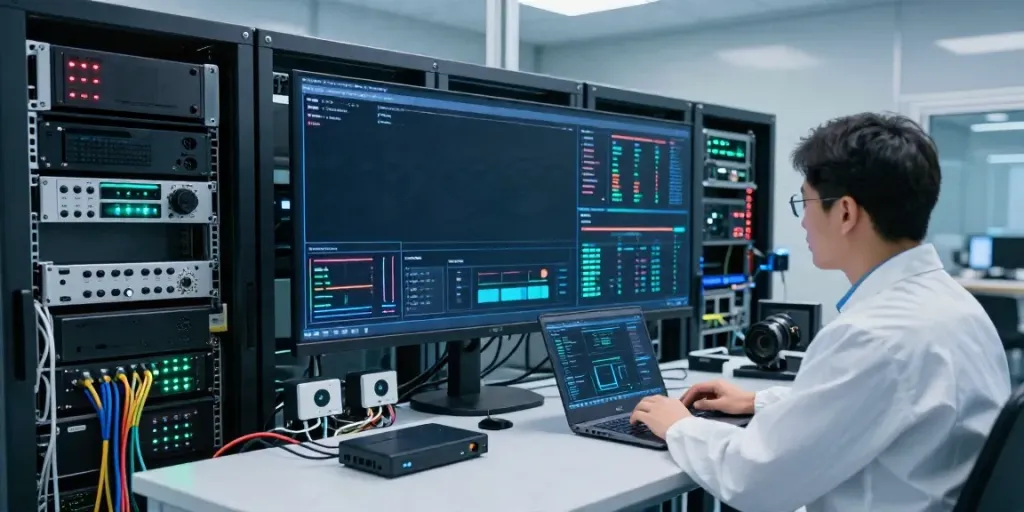
- Edge Servers: Local servers that process data closer to the source, enabling faster response times and reducing latency.
- Connectivity: Reliable and secure network connections that facilitate data transfer between edge devices and edge servers.
- Data Processing Software: Software solutions that analyze data in real-time, providing insights and enabling immediate actions.
- Security Protocols: Measures to safeguard the data being processed at the edge, ensuring compliance with regulations and protecting against breaches.
Why Edge Computing Matters in 2026
As we look towards 2026, the relevance of edge computing only continues to grow. The combination of increasing IoT device adoption, the need for lower latency in applications such as autonomous vehicles and smart cities, and the demand for enhanced data security makes edge computing a strategic focus for many organizations. The capacity to process data where it originates empowers businesses to drive innovation, improve customer experiences, and create operational efficiencies that were previously unattainable.
Moreover, the advancements in 5G technology will further augment the capabilities of edge computing, providing the necessary bandwidth to accommodate the surge of data generated by connected devices. This synergy between edge computing and 5G will unlock new possibilities across various industries, including healthcare, manufacturing, and logistics.
Benefits of Edge Computing for Businesses
Reduced Latency and Improved Performance
One of the most significant advantages of edge computing is the reduction in latency. By processing data closer to where it is generated, businesses can achieve response times that are nearly instantaneous. This is crucial for applications that require quick decision-making, such as autonomous driving systems, industrial automation, and real-time analytics in retail environments.
Moreover, edge computing enhances performance by reducing the dependency on cloud resources. This means that organizations can continue operations even in scenarios where connectivity to the cloud is compromised, ensuring business continuity and reliability.
Enhanced Data Security and Privacy
With data privacy becoming a paramount concern for businesses and consumers alike, edge computing offers a robust security framework. By processing sensitive data locally rather than transmitting it to central servers, the risk of data breaches during transmission is significantly diminished. Additionally, edge computing allows organizations to implement stringent security measures at the device level, ensuring that data remains protected throughout its lifecycle.
Cost-Effectiveness and Resource Optimization
Deploying edge computing can also lead to significant cost savings. By minimizing the amount of data that needs to be sent to the cloud and processed there, organizations can reduce their cloud storage and bandwidth expenses. Furthermore, edge computing enables efficient resource utilization by optimizing the performance of devices, thereby extending their lifespan and reducing the need for frequent replacements.
Challenges and Considerations in Edge Computing
Common Misconceptions about Edge Computing
Despite its growing adoption, several misconceptions about edge computing may hinder organizations from fully embracing this technology. One common myth is that edge computing will completely replace cloud computing. In reality, the two paradigms complement each other, with edge computing handling tasks that require low latency and immediacy, while cloud computing provides centralized resources for extensive data analysis and storage.
Addressing Scalability Issues
Scalability is another critical consideration for businesses implementing edge computing. As the number of connected devices grows, organizations must be prepared to scale their edge infrastructure accordingly. This involves investing in additional edge servers, enhancing connectivity, and utilizing management tools that facilitate seamless scalability. Without adequate planning, businesses may face challenges in maintaining performance and reliability in a rapidly expanding network.
Ensuring Data Integrity and Compliance
Organizations must also prioritize data integrity and compliance when implementing edge computing solutions. With data being processed at multiple locales, ensuring that all data remains consistent and complies with regulations such as GDPR or HIPAA is crucial. Businesses should establish robust data governance frameworks to address these challenges and mitigate risks associated with non-compliance.
Practical Applications of Edge Computing
Industrial IoT and Smart Manufacturing
One of the most promising applications of edge computing lies in the realm of industrial IoT and smart manufacturing. By deploying edge servers on the factory floor, companies can monitor equipment in real-time, detect anomalies, and perform predictive maintenance. This reduces downtime, enhances productivity, and ultimately leads to improved profitability.
Edge Computing in Healthcare Innovations
In the healthcare sector, edge computing is revolutionizing patient care. Wearable health devices can analyze data locally, providing instant feedback to patients and healthcare providers. For instance, wearable ECG monitors can detect irregular heartbeats and alert medical professionals immediately, leading to faster interventions and improved patient outcomes.
Enhancing Retail Experiences with Edge Solutions
In retail, edge computing can significantly enhance customer experiences. By processing data from in-store sensors, retailers can gain insights into customer behavior, optimize inventory management, and personalize marketing efforts in real-time. This leads to a more engaging shopping experience and increased customer loyalty.
The Future of Edge Computing: Trends and Predictions
Emerging Technologies Impacting Edge Computing
As we move toward 2026, several emerging technologies will shape the future of edge computing. Advancements in machine learning, for instance, will allow for sophisticated algorithms to run directly on edge devices, enabling predictive analytics and decision-making without needing to send data to the cloud.
Furthermore, the integration of technologies such as augmented reality (AR) and virtual reality (VR) with edge computing will create immersive and interactive experiences, transforming industries like gaming, retail, and education.
The Role of AI and Machine Learning
AI and machine learning will play a significant role in optimizing edge computing architectures. By enabling devices to learn from patterns in real time, organizations can enhance their decision-making processes and create more responsive systems. This will be particularly beneficial in scenarios where immediate responses are crucial, such as in autonomous vehicles or smart emergency services.
Preparing for Edge Computing in 2026 and Beyond
Organizations looking to implement edge computing solutions must adopt a proactive approach. This includes investing in the necessary infrastructure, training staff on new technologies, and developing a comprehensive strategy that aligns with business objectives. As edge computing continues to mature, its ability to transform industries and drive innovation will only intensify, making it a critical component of digital transformation initiatives.
What is meant by the term edge computing?
Edge computing refers to the distributed computing model that processes data at or near the source of generation rather than relying solely on centralized data centers, enabling faster data processing and decision-making.
Is edge computing still a thing?
Absolutely! Edge computing continues to gain traction, particularly as the number of IoT devices increases and businesses require real-time insights from data generated at the edge.
Does Netflix use edge computing?
Yes, Netflix utilizes edge computing through its content delivery network (CDN) to cache data closer to users, providing a seamless streaming experience with minimal buffering and faster load times.
What is edge computing vs cloud computing?
While cloud computing centralizes the processing and storage of data in remote servers, edge computing decentralizes this process to bring data processing closer to its source, leading to reduced latency and improved performance.
How can businesses implement edge computing?
To implement edge computing successfully, businesses should start by assessing their needs, investing in reliable edge infrastructure, ensuring security measures are in place, and training personnel to manage and utilize data effectively.