

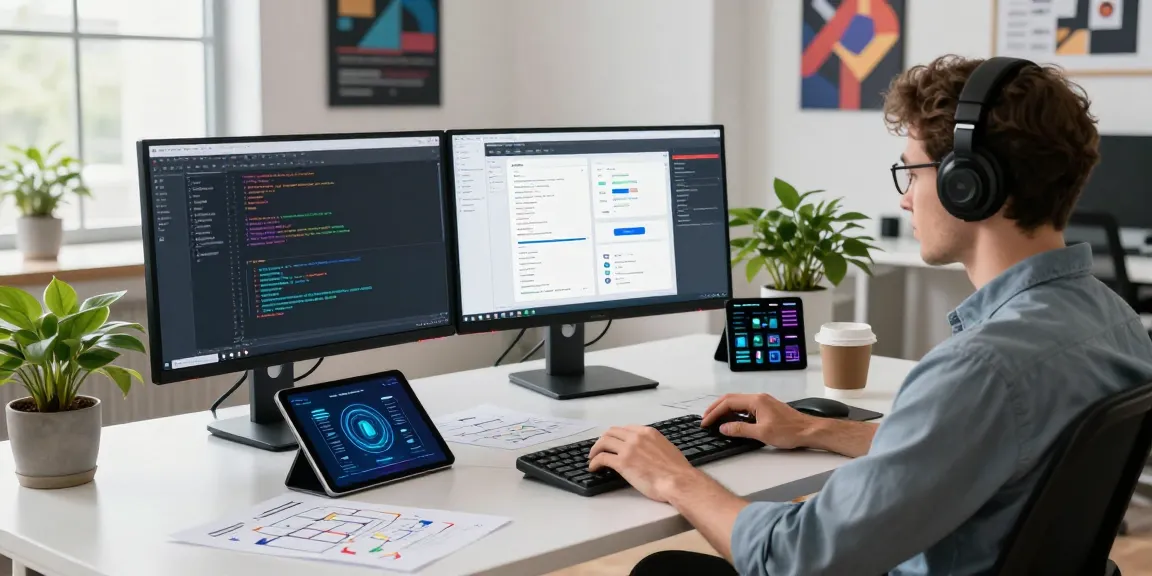
Understanding Internal Tools and Their Importance
In today’s fast-paced business environment, efficiency is paramount, and internal tools play a critical role in streamlining operations. These tools can automate tedious processes, eliminate errors, and free employees to focus on high-value tasks. Despite their importance, many organizations still face challenges in developing and implementing these tools effectively. With advancements in artificial intelligence (AI), businesses now have the opportunity to build internal tools with AI, making the process simpler and more accessible, even for those without a technical background.
What Are Internal Tools?
Internal tools, often referred to as productivity tools or business process tools, are applications created to support the internal operations of a company. They can range from simple spreadsheets to complex software systems designed to manage tasks, track projects, and facilitate communication. The right internal tools can significantly enhance productivity, reduce error rates, and improve team collaboration.
The Role of AI in Internal Tool Development
AI has transformed the landscape of internal tool development by providing powerful capabilities that enhance automation and decision-making. Businesses can leverage AI to analyze data, predict outcomes, and automate repetitive tasks, reducing the burden on staff. This integration of AI not only leads to improved efficiency but also allows teams to focus on strategic initiatives, thereby driving growth and innovation within the organization.
Common Challenges in Building Internal Tools
Despite the clear benefits, building internal tools comes with its own set of challenges. Organizations often struggle with issues such as lack of user engagement, inadequate training, and difficulties in integrating new tools with existing systems. Additionally, many teams find that traditional development cycles can be slow and cumbersome, leading to frustration among users. Understanding these challenges is the first step towards effectively leveraging AI for internal tool development.
Step-by-Step Guide to Building Internal Tools with AI
Identifying Business Processes to Automate
The first step in building effective internal tools is to identify which business processes need automation. This can involve analyzing workflows, gathering feedback from team members, and pinpointing repetitive tasks that consume valuable time and resources. By prioritizing processes that can benefit most from automation, organizations can ensure that their efforts yield maximum value.
Choosing the Right AI Tools for Development
Once key processes have been identified, the next step is to choose the right AI tools for development. Many no-code platforms allow users to create applications without extensive programming knowledge. It is essential to evaluate these tools based on their usability, scalability, and integration capabilities with existing systems. Popular options include platforms like Zapier, Bubble, and Airtable, among others.
Implementing Your First AI-Powered Tool
With processes identified and tools selected, organizations can begin implementing their first AI-powered tool. This process often begins with designing a simple prototype that addresses a specific business need. Involving end-users during this phase is critical to gather valuable feedback and ensure the final product meets their requirements. Iterative development allows teams to refine the tool based on real-world usage and data.
Real-World Examples of Successful Internal Tools
Case Study: Task Management System
A leading marketing agency faced challenges in managing projects and communicating with clients. They implemented a task management system powered by AI, which allowed for real-time updates and notifications. The system automatically prioritized tasks based on deadlines and team member availability, significantly increasing productivity and client satisfaction.
Case Study: Customer Follow-Up Tracker
A customer service department struggled with tracking follow-ups with clients. By developing a follow-up tracker that integrated AI, they could easily identify which clients needed attention and automate follow-up messages. This not only improved communication but also led to higher customer retention rates.
Case Study: Notification Automation Tool
Another organization created a notification automation tool to enhance their delivery process. This tool sends customized notifications to customers, informing them of expected delivery times and any delays. By using GPS data and customer preferences, the tool provides a more personalized experience, reducing the number of queries regarding delivery statuses.
Best Practices for Designing Internal Tools
User-Centered Design Principles
When designing internal tools, it is crucial to adopt user-centered design principles. This means involving end-users throughout the development process to ensure that the tool addresses their needs and pain points effectively. Feedback loops during design and implementation can significantly enhance usability and adoption rates.
Iterative Development and Feedback Loops
Adopting an iterative development approach allows teams to refine their internal tools continuously. Regular feedback from users can inform updates and improvements, ensuring that the tool evolves in line with changing business needs and user expectations.
Maintaining Governance and Compliance
As organizations build and deploy internal tools, maintaining governance and compliance is critical. This involves ensuring that the tools adhere to relevant regulations and company policies, particularly concerning data privacy and security. Regular audits and reviews can help organizations stay compliant while maximizing the efficiency of their internal tools.
Future Trends in Internal Tool Development (2026 and Beyond)
Increased Use of No-Code Solutions
The trend towards no-code solutions is expected to accelerate, allowing more teams to create and manage their internal tools without relying on IT departments. This democratization of technology will empower employees at all levels to build solutions that enhance their workflows.
The Rise of Intelligent Automation
Intelligent automation – the combination of AI and automation technologies – will become increasingly prevalent in internal tool development. This approach not only automates routine tasks but also analyzes data to provide actionable insights, further enhancing decision-making processes.
Integrating Internal Tools with Emerging Technologies
Emerging technologies such as blockchain and the Internet of Things (IoT) are expected to play a significant role in the future of internal tools. These technologies can enhance security, improve data accuracy, and provide new capabilities that organizations can leverage to streamline operations and enhance productivity.
What are the benefits of building internal tools with AI?
Building internal tools with AI comes with numerous benefits, including improved efficiency, reduced manual errors, and enhanced decision-making capabilities. AI can analyze large datasets quickly and provide insights that help teams make informed choices, ultimately driving business success.
Can I build internal tools without coding experience?
Yes, many no-code platforms and AI-driven tools allow users without coding experience to create internal tools. These solutions provide user-friendly interfaces and templates, simplifying the development process and enabling broad participation across teams.
What tools can help me build internal tools easily?
Tools like Airtable, Zapier, and Bubble are popular choices for building internal tools easily. They offer intuitive drag-and-drop interfaces and pre-built integrations, allowing users to automate processes without extensive coding knowledge.
How does AI improve the efficiency of internal tools?
AI improves efficiency by automating repetitive tasks, analyzing data in real time, and providing actionable insights. This reduces the time employees spend on mundane activities, enabling them to focus on tasks that require critical thinking and creativity.
What trends should I watch in internal tools by 2026?
By 2026, expect to see increased reliance on no-code solutions, the rise of intelligent automation, and integration of internal tools with emerging technologies. Staying informed about these trends will be crucial for organizations looking to innovate and remain competitive in an evolving marketplace.