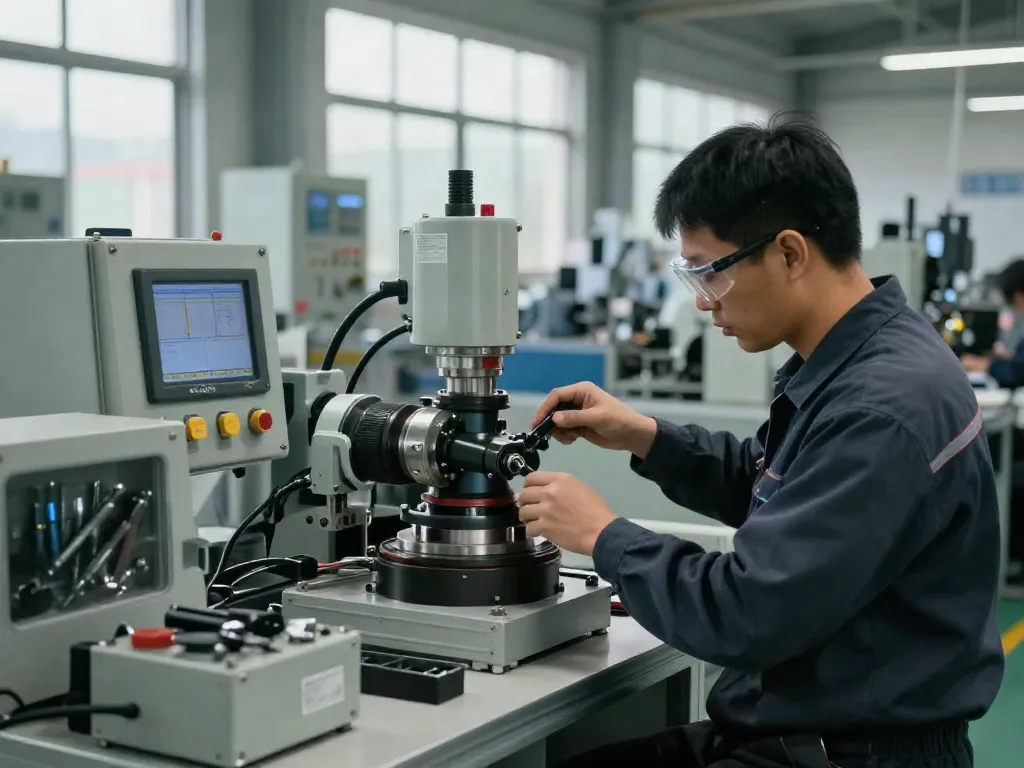
Understanding Mechanical Vacuum Switches
In the realm of industrial automation, the mechanical vacuum switch plays a pivotal role in safeguarding operational efficiency and safety. These devices are designed to activate or deactivate equipment based on the vacuum level present within a system. By ensuring that processes run smoothly, mechanical vacuum switches are indispensable in fields such as HVAC, manufacturing, and processing industries. When exploring options, mechanical vacuum switch technologies provide comprehensive insights into enhancing system reliability.
What is a Mechanical Vacuum Switch?
A mechanical vacuum switch is a device that utilizes mechanical means to monitor and control the vacuum levels within a specific system. It functions by opening or closing electrical contacts when a predefined vacuum pressure is achieved, thus regulating the operation of connected machinery. Unlike electronic alternatives, these switches are typically more robust and capable of operating in harsh environments, making them ideal for industrial applications.
Key Components and Functionality
The functionality of a mechanical vacuum switch hinges on several key components, including:
- Diaphragm: This component responds to changes in vacuum pressure and is crucial for the switch’s operation. It is typically made from durable materials that withstand repetitive stress.
- Contacts: The switch has contacts that open or close depending on the vacuum level, allowing for electric circuits to be completed or interrupted.
- Adjustment Screw: Most models feature an external adjustment screw that allows for easy calibration to the desired vacuum level without the need for specialized tools.
- Housing: Durable housings protect the internal components from environmental factors such as dust, moisture, and extreme temperatures.
These components work together in a simple yet effective manner, promoting ease of use and reliability in performance.
Applications in Industrial Automation
Mechanical vacuum switches are employed in a variety of industries, including:
- HVAC Systems: Used to control the operation of vacuum pumps and compressors, ensuring efficient system performance.
- Food Processing: Essential for processes that require vacuum packaging or cooking, ensuring product safety and quality.
- Pharmaceutical Manufacturing: Vital for maintaining sterile environments and controlling processes requiring precise vacuum measurements.
- Packaging: Automation of vacuum packing processes relies heavily on these switches to ensure proper sealing and preservation.
These applications highlight the versatility and importance of mechanical vacuum switches in modern industrial environments.
Benefits of Using Mechanical Vacuum Switches
Choosing mechanical vacuum switches over other types can yield significant advantages for industrial operations. Below, we explore the key benefits of these reliable devices.
Durability and Reliability in Harsh Environments
Mechanical vacuum switches are designed to withstand extreme conditions, including high temperatures, humidity, and corrosive substances. The robust construction ensures that these switches can operate effectively without failure, even in demanding industrial settings. This durability translates to longer life cycles and reduced frequency of replacements.
Cost-Effectiveness and Low Maintenance
One of the most compelling benefits of mechanical vacuum switches is their cost-effectiveness. Due to their simple design, they often have lower initial costs than electronic switches. Additionally, these devices typically require minimal maintenance, as they do not rely on electronic components that are susceptible to wear or failure. This combination leads to a lower total ownership cost over time.
Enhanced Performance Metrics Compared to Electronic Switches
Mechanical vacuum switches often outperform electronic switches in specific applications, particularly due to their faster response times and enhanced reliability in fluctuating environmental conditions. They are also less susceptible to electrical interference, making them a preferred choice in environments where electromagnetic interference is a factor.
Installation and Calibration Best Practices
Installing and calibrating a mechanical vacuum switch correctly is essential for optimal performance and accuracy. Here’s a guide to ensure successful implementation.
Step-by-Step Installation Process
- Select the Appropriate Location: Ensure the switch is placed in an accessible location that allows for easy monitoring and maintenance.
- Mount the Switch: Secure the switch to a stable surface, ensuring it is free from vibrations that may affect its performance.
- Connect Electrical Wiring: Ensure that all connections meet the manufacturer's specifications to prevent electrical hazards.
- Attach Pneumatic Connections: Connect the inlet and outlet to the system, ensuring there are no leaks.
Following these steps will help establish a robust installation of the switch.
Simple Calibration Techniques
Calibration is a crucial step in ensuring that the switch operates accurately within the desired parameters. Techniques include:
- External Adjustment: Utilize the external adjustment screw to set the switch to the desired vacuum level based on the application requirements.
- Testing: After adjustment, conduct a test to verify that the switch activates and deactivates at the correct vacuum levels.
Regular recalibration may be necessary, especially in dynamic environments where conditions frequently change.
Common Mistakes to Avoid
Avoid these pitfalls when installing and calibrating mechanical vacuum switches:
- Ignoring Manufacturer Guidelines: Always refer to the specific guidelines provided by the manufacturer for optimal performance.
- Misplacing the Switch: Ensure that the switch is not installed where it could be exposed to extreme conditions that exceed its specifications.
- Overlooking Maintenance: Regularly inspect the switch and connections to maintain performance.
Future Trends in Mechanical Vacuum Switch Technology
As technology continues to evolve, mechanical vacuum switches are also advancing. Here are some future trends to consider.
Emerging Innovations for 2026 and Beyond
The development of materials and technologies such as advanced alloys and polymers is leading to stronger and more resilient mechanical vacuum switches. Future models may incorporate features like improved sealing techniques to enhance performance in extreme environments.
The Role of IoT in Switch Technology
The Internet of Things (IoT) is set to revolutionize the industry. By integrating sensors and connectivity features into mechanical vacuum switches, users will be able to monitor performance remotely and receive alerts about potential failures before they occur. This predictive maintenance can significantly reduce downtime and improve operational efficiency.
Environmental Considerations and Regulations
Environmental regulations are increasingly driving the development of more sustainable mechanical vacuum switches. Innovations such as energy-efficient designs and recyclable materials are becoming more common, aligning with global sustainability goals.
FAQs about Mechanical Vacuum Switches
What is a vacuum switch used for?
A vacuum switch is primarily used to monitor vacuum levels in systems and controls, ensuring proper operation of equipment based on the vacuum pressure detected.
Is a vacuum switch the same as a pressure switch?
No, while both types of switches monitor pressure levels, a vacuum switch specifically measures negative pressure (vacuum), whereas a pressure switch measures positive pressure.
What are the benefits of mechanical vacuum switches over electronic ones?
Mechanical vacuum switches generally offer better durability, faster response times, and lower maintenance costs compared to electronic counterparts, particularly in harsh environments.
How do I choose the right mechanical vacuum switch?
Consider factors such as the operational environment, required vacuum range, response time, and maintenance needs when selecting a mechanical vacuum switch.
What maintenance is required for mechanical vacuum switches?
Regular inspections for signs of wear, checking for leaks in pneumatic connections, and periodic recalibration are essential maintenance tasks for ensuring reliability.