Understanding GPR Surveys: What You Need to Know
Ground Penetrating Radar (GPR) surveys have become essential tools in various industries, especially in urban environments like London. These non-invasive surveys are instrumental in detecting and mapping subsurface features, offering insights that are crucial for construction, utility management, and archaeological studies. With the growing demand for urban development alongside the need to maintain existing infrastructure, the relevance of GPR technology has never been more pronounced. When exploring options, GPR Survey London provides comprehensive insights into the methodologies and advantages of using this technology.
What is Ground Penetrating Radar?
Ground Penetrating Radar is a geophysical method that employs radar pulses to image the subsurface of the ground. The technology operates by transmitting high-frequency radio waves into the ground and measuring the reflected signals that bounce back from various subsurface materials. This process allows surveyors to construct detailed images of the underground structure, detecting utilities, voids, and other buried objects without the need for excavation.
How GPR Works: Principles and Applications
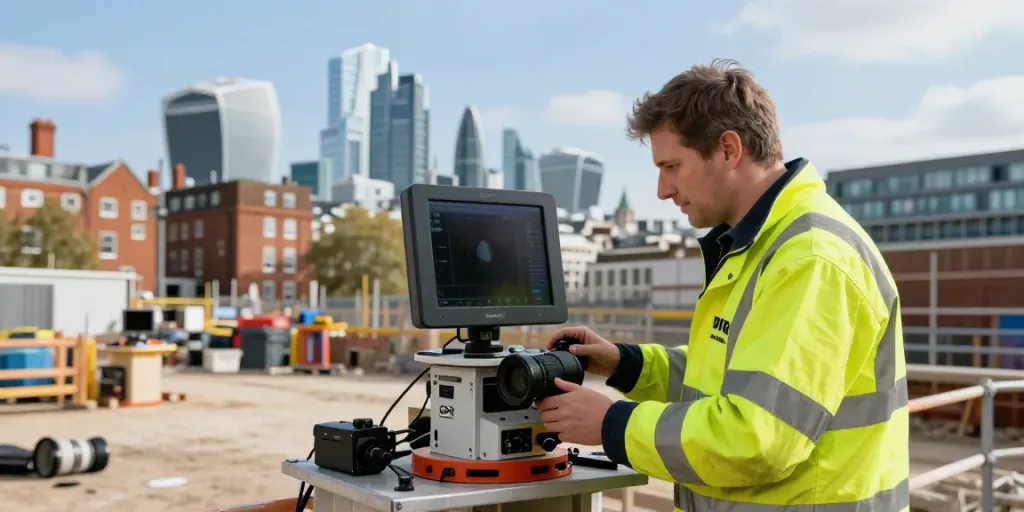
The GPR system consists of a transmitter, receiver, and a processor. The transmitter sends radar pulses into the ground, and the receiver captures the reflected signals. The time it takes for the signals to return to the surface is then converted into depth measurements. GPR can be applied in numerous fields, including:
- Utility mapping: Identifying the location of water, gas, and electricity lines.
- Environmental assessments: Mapping subsurface contamination and geological features.
- Archaeology: Discovering and documenting archaeological sites without disturbing them.
- Construction: Assessing soil stability and locating potential hazards.
Benefits of GPR Surveying in Urban Areas
Conducting GPR surveys in urban environments comes with distinct advantages:
- Non-Intrusive Methodology: Unlike traditional excavation methods, GPR surveying does not disturb the surface, making it ideal for densely populated areas.
- Time Efficiency: GPR surveys can be completed relatively quickly, reducing downtime for construction projects.
- Cost-Effective: Identifying potential issues before excavation can save significant costs associated with repairs and delays.
- Clear Data Visualization: The ability to generate detailed images of subsurface conditions aids in informed decision-making for stakeholders.
Cost Considerations for GPR Survey London Services
Understanding the costs associated with GPR surveys is essential for project budgeting. Factors influencing pricing can vary widely, making it important for clients to have a clear picture of their financial commitments.
Factors Affecting GPR Survey Pricing
Several variables can impact the cost of GPR surveys:
- Survey Area Size: Larger areas will typically incur higher costs due to increased survey time and resources required.
- Site Accessibility: Difficult-to-access locations may require additional equipment or personnel, raising overall expenses.
- Depth of Investigation: Surveys to greater depths necessitate more sophisticated technology and expertise, which can increase costs.
- Data Analysis Requirements: The complexity of the data analysis can also influence pricing, especially if detailed reporting is needed.
Comparing Costs: GPR vs. Traditional Survey Methods
When evaluating the costs of GPR surveys against traditional surveying methods, it's important to consider the long-term savings offered by GPR. Although the upfront costs of GPR might be comparable or slightly higher than those of conventional methods, the potential for cost savings lies in its ability to prevent data inaccuracies and unforeseen complications during the excavation process, ultimately saving both time and money.
Budgeting for GPR Surveys in London
For those planning a GPR survey, creating a well-structured budget is critical. This budget should account for:
- Initial assessment costs.
- Survey execution costs based on size and complexity.
- Post-survey data analysis and reporting.
- Potential costs for follow-up surveys if initial results necessitate further investigation.
Common Challenges in GPR Surveys
While GPR is a powerful tool, surveyors may face challenges that can affect the accuracy and effectiveness of the data obtained.
Interpreting GPR Data Accurately
One of the most significant challenges lies in accurately interpreting the data. The need for skilled professionals who can discern meaningful signals from noise is paramount. Misinterpretation can lead to errors in identifying types of utilities or geological features, which may have serious ramifications.
Overcoming Ground Conditions and Limitations
Ground conditions such as moisture content, soil type, and the presence of dense materials can affect the penetration depth and clarity of GPR signals. Surveyors must evaluate these conditions carefully and adjust their methodologies accordingly.
Addressing Regulatory and Safety Compliance
Compliance with local regulations regarding excavation and utility locating is essential. Surveyors must stay updated on safety standards and legal requirements to ensure that all operations are conducted within the law, which can sometimes complicate survey logistics.
Best Practices for Conducting GPR Surveys
To maximise the effectiveness of GPR surveys, following best practices is critical.
Preparing the Site for Effective Surveys
Site preparation involves ensuring clear access and minimising obstacles that could interfere with data collection. Clearing debris and obtaining necessary permissions in advance can streamline the survey process.
Using Advanced Technology for Better Outcomes
Utilising the latest GPR technology can significantly enhance survey accuracy. Advanced systems with improved resolution and enhanced data processing capabilities will yield better insights into subsurface conditions.
Guidelines for Data Analysis and Reporting
Proper data analysis is essential for interpreting GPR results accurately. Establishing clear guidelines for reporting findings ensures that stakeholders receive comprehensible and actionable information.
Future Trends in GPR Surveying Technology
As technology evolves, so too will the capabilities of GPR surveying. The future holds exciting prospects for enhancing operations and data interpretation.
Innovations on the Horizon: What to Expect by 2026
Emerging innovations are expected to improve the speed and accuracy of GPR surveys. Developments such as real-time data processing and enhanced software algorithms will allow for immediate analysis and more precise results, enhancing decision-making processes.
Integrating AI and Machine Learning in GPR
The integration of artificial intelligence (AI) and machine learning could revolutionise how GPR data is analysed. These technologies can help in identifying patterns and anomalies within the data that may be overlooked by human analysts.
Environmental Considerations for Sustainable Practices
As society moves towards more sustainable practices, GPR technology offers an eco-friendly surveying method that does not disturb the environment. Future advancements are likely to focus on minimising ecological footprints while maximising efficiency.
How much does a GPR survey cost?
The cost typically varies based on several factors such as survey size, depth, and analysis complexity. It is advisable for clients to obtain detailed estimates tailored to their specific requirements.
How deep can a GPR survey go?
GPR surveys can generally penetrate depths of 1 to 30 metres depending on the frequency of the radar and the composition of the ground. Higher frequency radars offer better resolution at shallower depths, while lower frequencies can reach greater depths but with reduced definition.
What are the best survey companies in the UK?
Some of the leading survey companies in the UK offer specialised GPR services. Researching customer reviews and assessing their past projects can assist clients in making informed choices regarding the best providers in the industry.